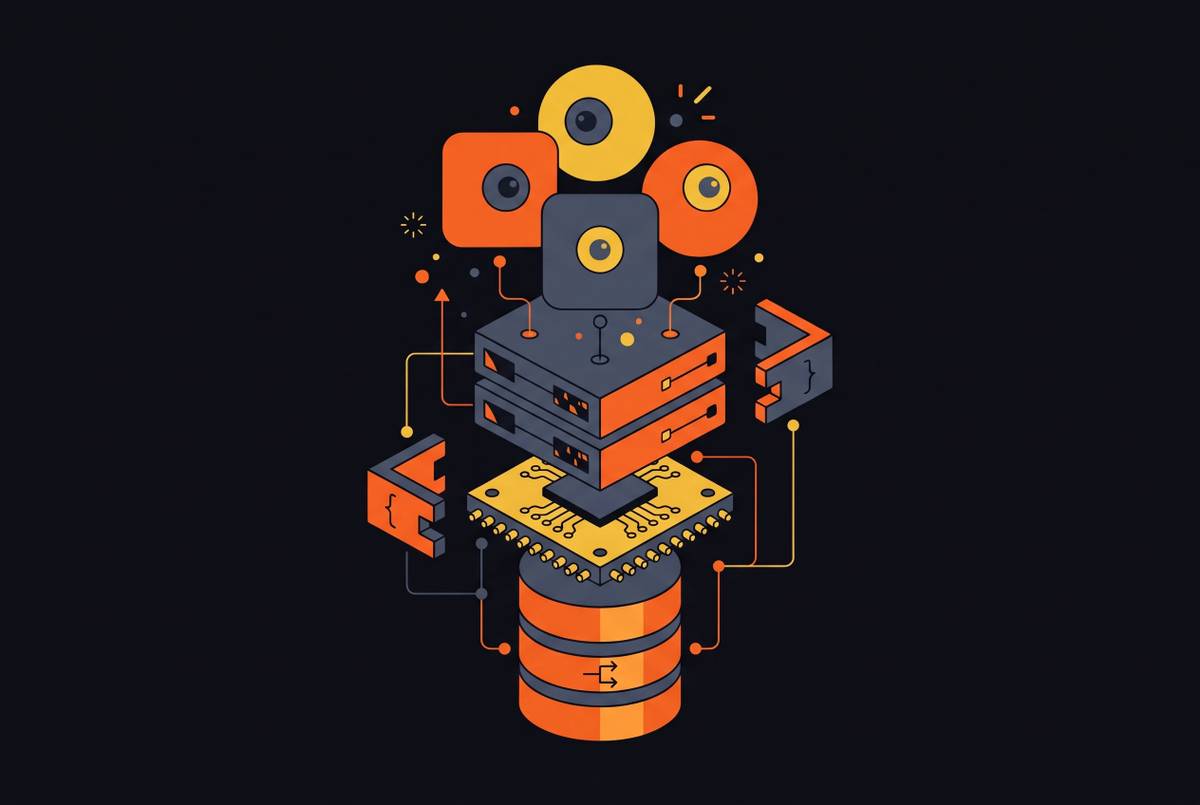
Kubernetes Orchestration for AI Agent Workloads
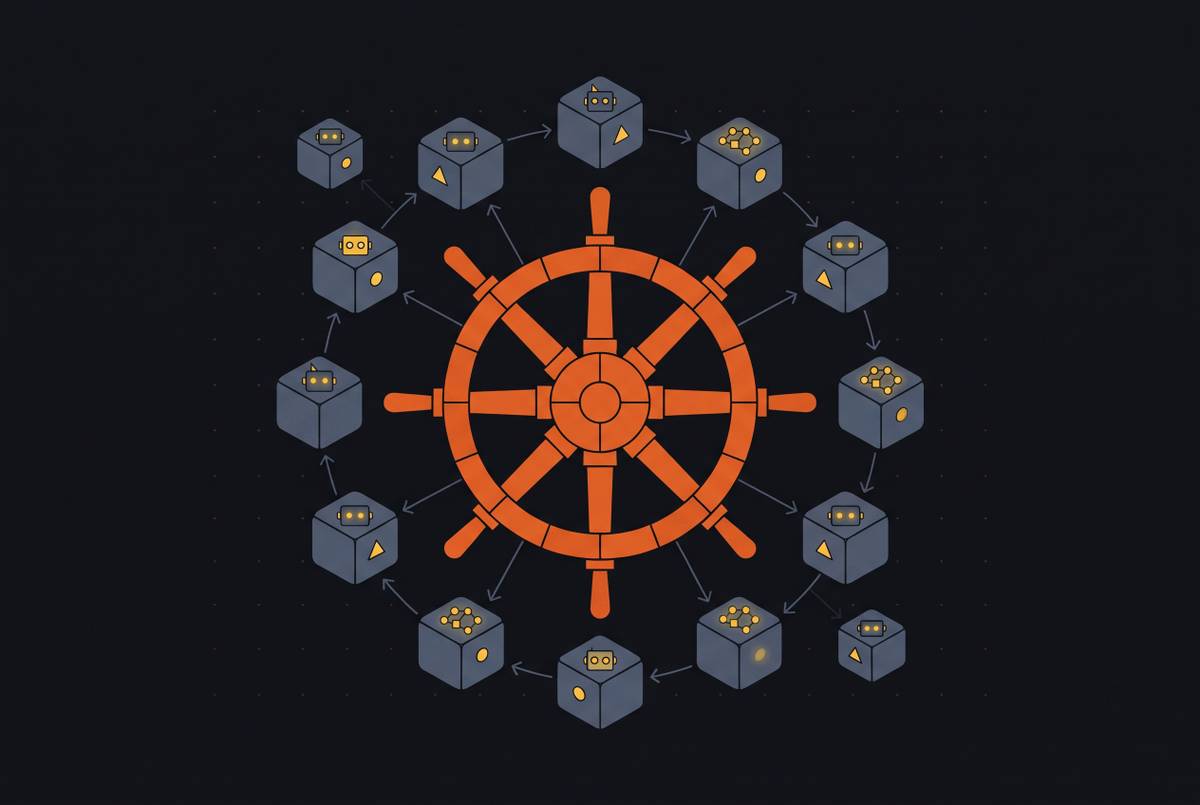
Agent Sandbox brings Kubernetes native controls for stateful, long-running AI workloads.
Infrastructure Review Stack Editors
Section
15 stories in AI Agent Infrastructure and Runtime Environments.
Agent Sandbox brings Kubernetes native controls for stateful, long-running AI workloads.
Framework choice determines what infrastructure must handle state, isolation, and recovery.
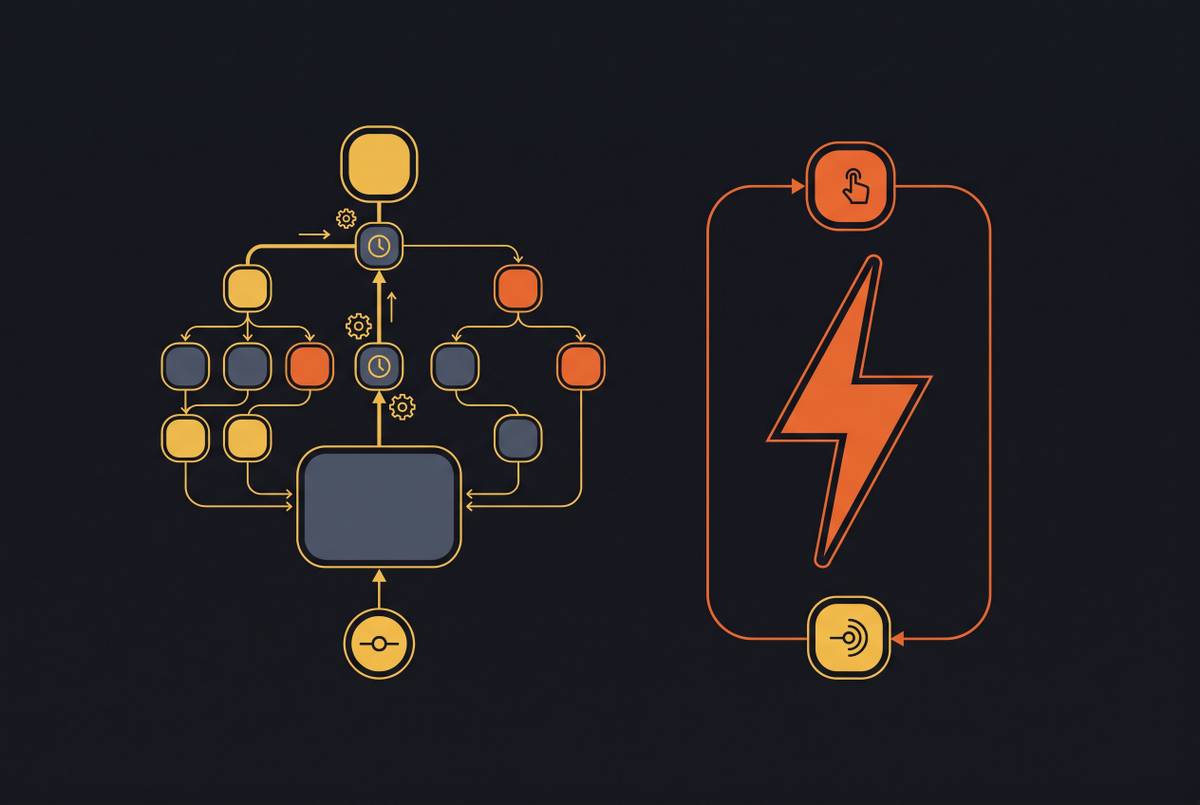
Reactive agents act instantly; deliberative agents plan first.
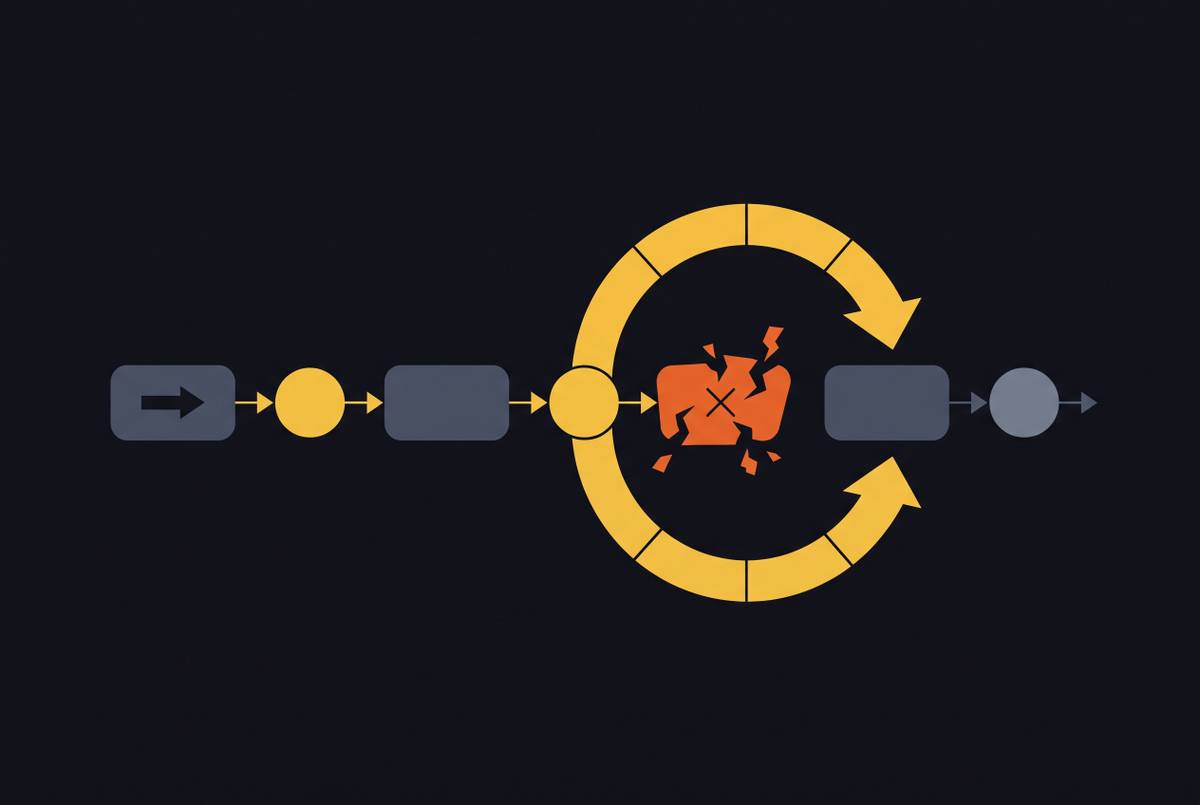
Recognizing failure patterns lets you fix one without breaking another.
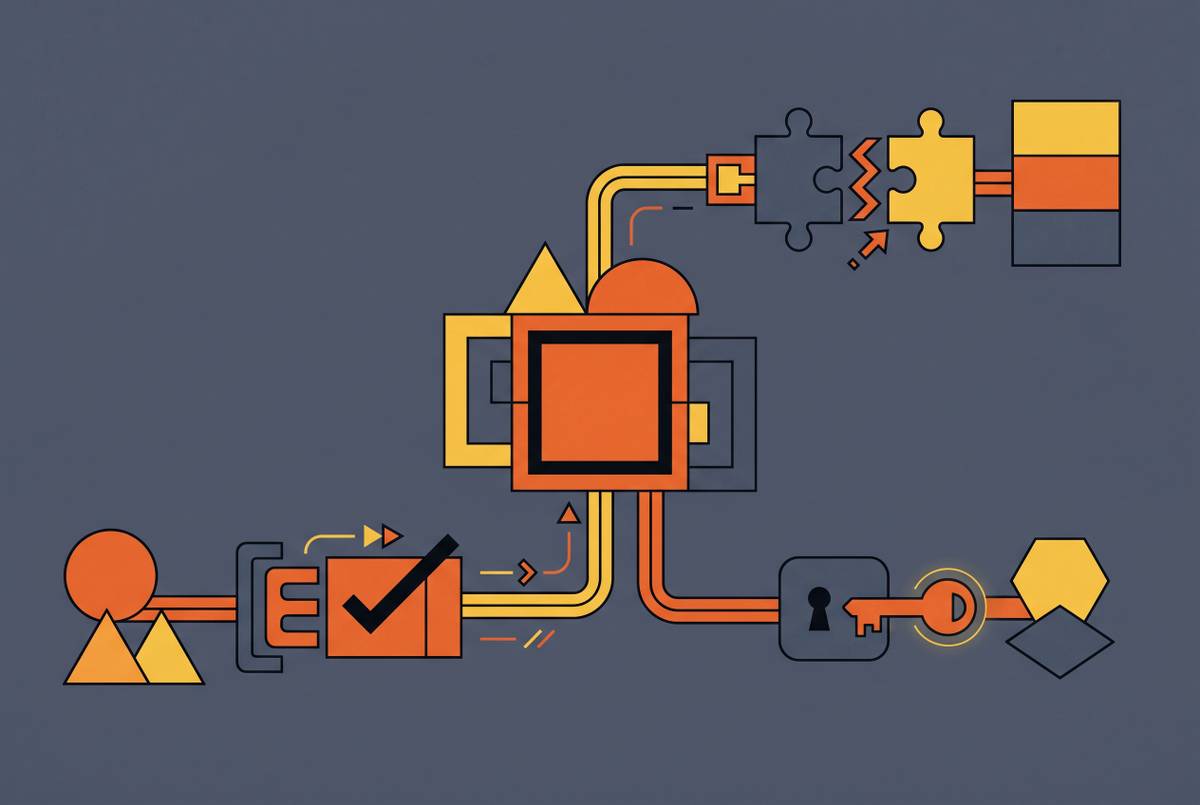
Enforce tool-calling contracts at runtime, not just in model training.
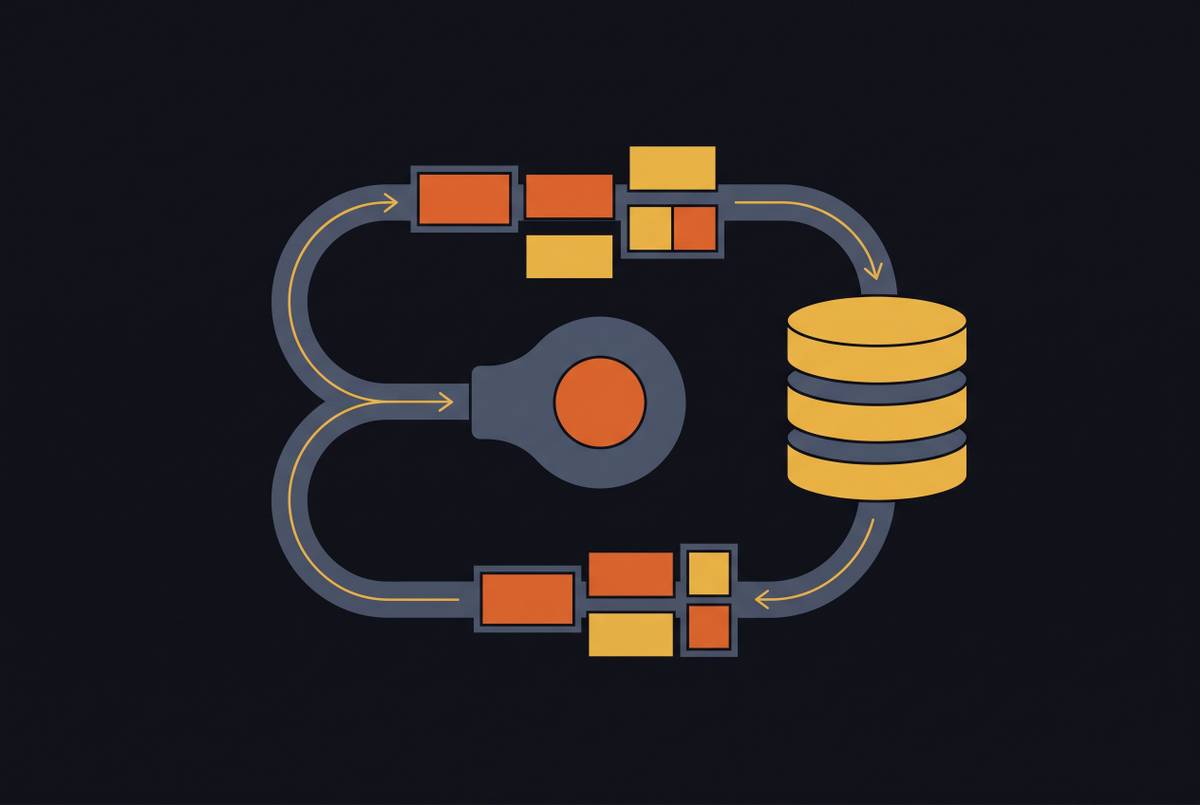
State persistence is what separates production agents from demo systems that restart from scratch.
Agent systems hide failures in plain sight without purpose-built observability.
Secure runtime infrastructure, not model quality, determines whether AI agents reach production.
Understanding each layer's failure mode prevents weeks of debugging the wrong problem.
Choosing the wrong coordination pattern is why multi-agent systems fail in production.
Choosing the wrong framework means catching bugs after deployment instead of before.
Most multi-agent pilots never ship because infrastructure isn't built for how agents actually run.
How to pick the right hosting pattern before your MCP server breaks in production.
Agents are distributed systems with failures distinct from prompt engineering concerns.
Real agents sustain feedback loops; most deployments are just automated workflows.