Features
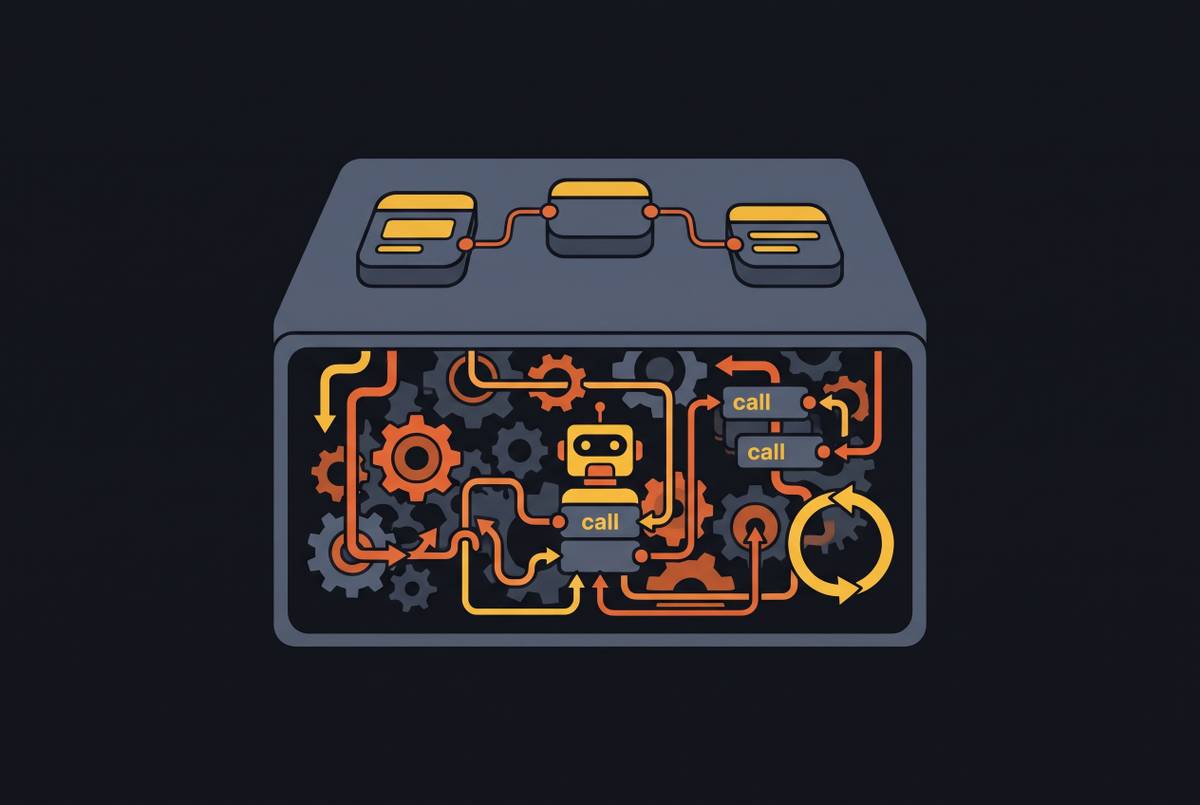
What No-Code Agent Builders Actually Execute Under the Hood
Understanding what runs beneath the visual interface determines production reliability.
Infrastructure Review Stack Editors9 min read
Container workloads share the host kernel, making namespace isolation thinner than it appears.
Understanding what runs beneath the visual interface determines production reliability.
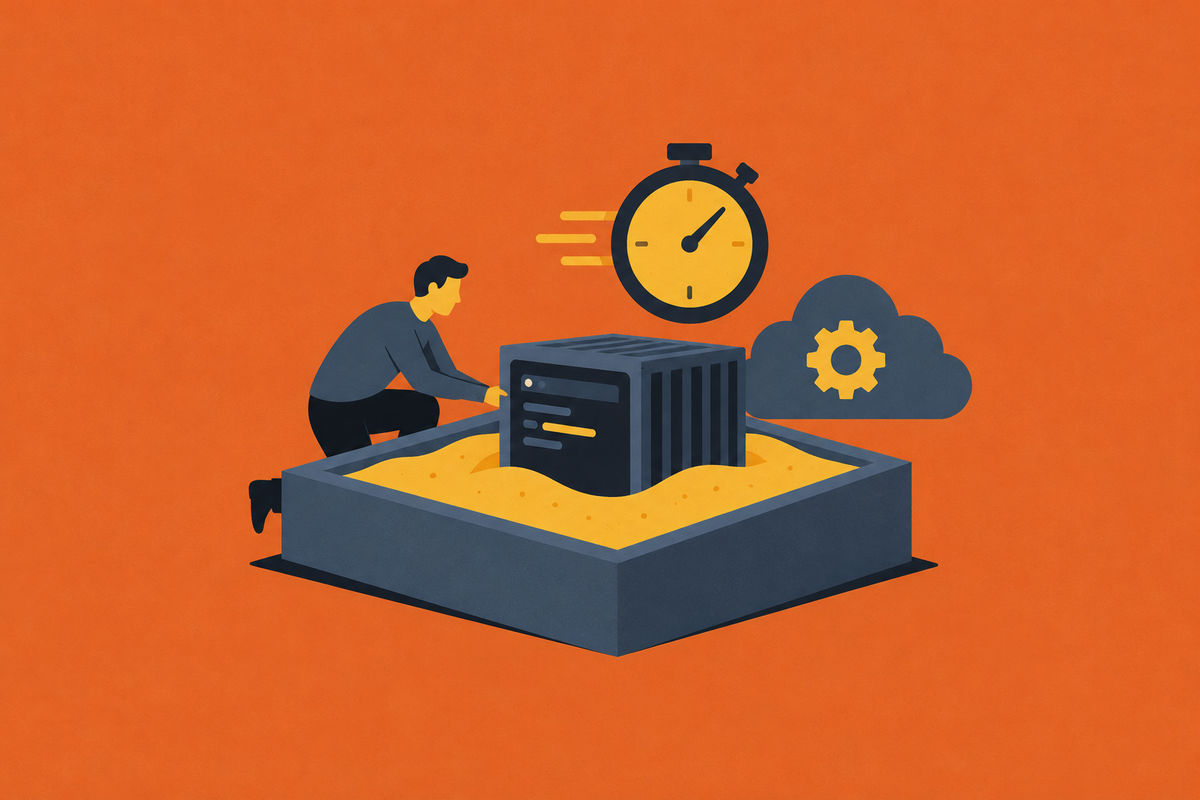
Cold-start latency directly shapes whether agents respond reliably and finish tasks users expect.
Docker containers isolate code execution, not AI-generated actions requiring stricter boundaries.
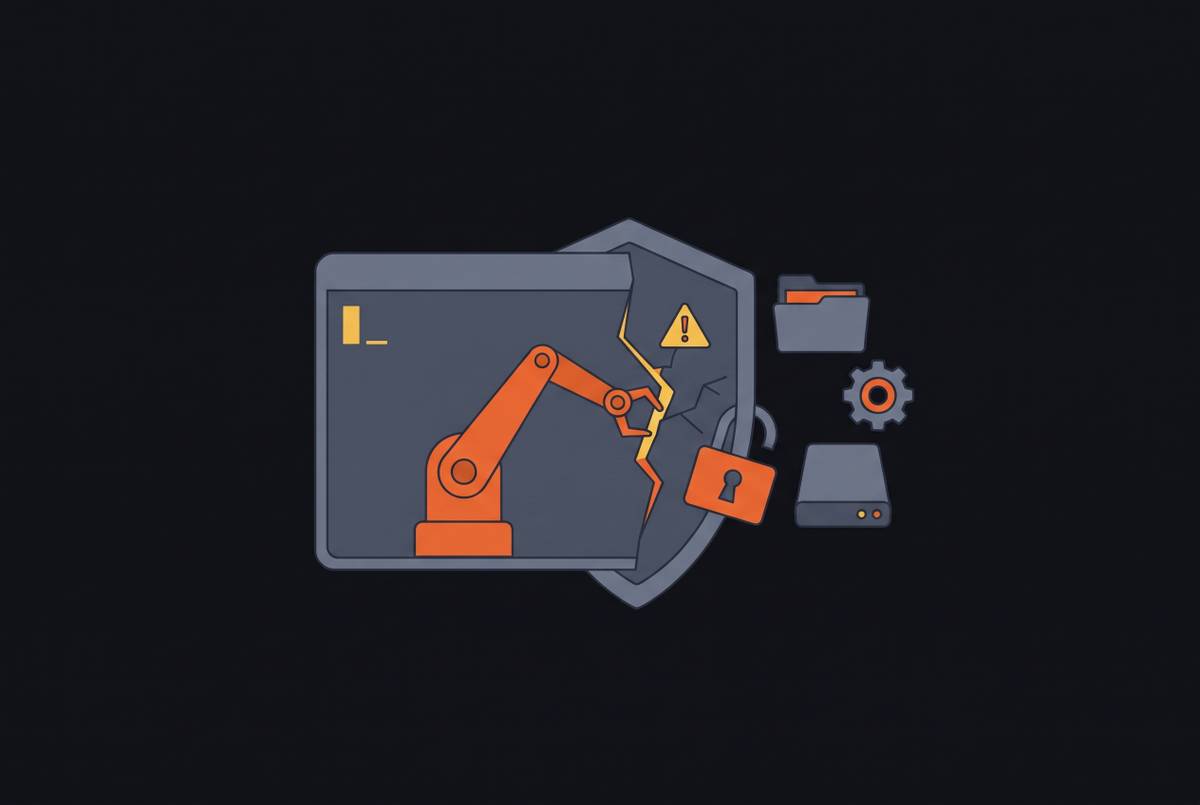
Warnings alone cannot protect against code-execution agents.
Agent Sandbox brings Kubernetes native controls for stateful, long-running AI workloads.
Framework choice determines what infrastructure must handle state, isolation, and recovery.
Layered isolation strategies contain threats that browser sandboxing alone cannot prevent.
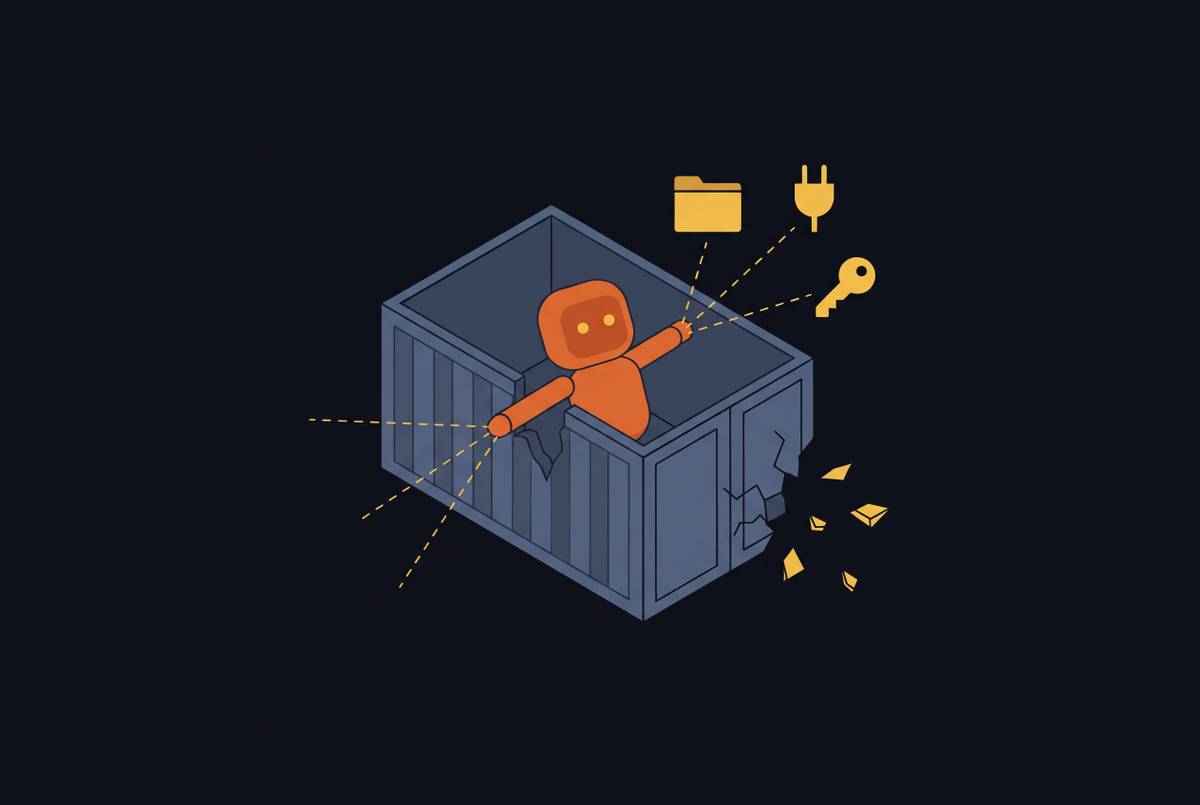
AI agents can escape sandboxes through kernel sharing, tool chains, and misconfiguration.
Move Java's trust boundary outside the runtime to contain AI-generated code safely.
Java teams must now isolate untrusted code at OS and hypervisor boundaries instead.
Process jails, containers, and microvMs each block different threats.