GPU Sandboxes and Agent Eval Environments
GPU Isolation Mechanisms for Multi-Tenant AI Workloads
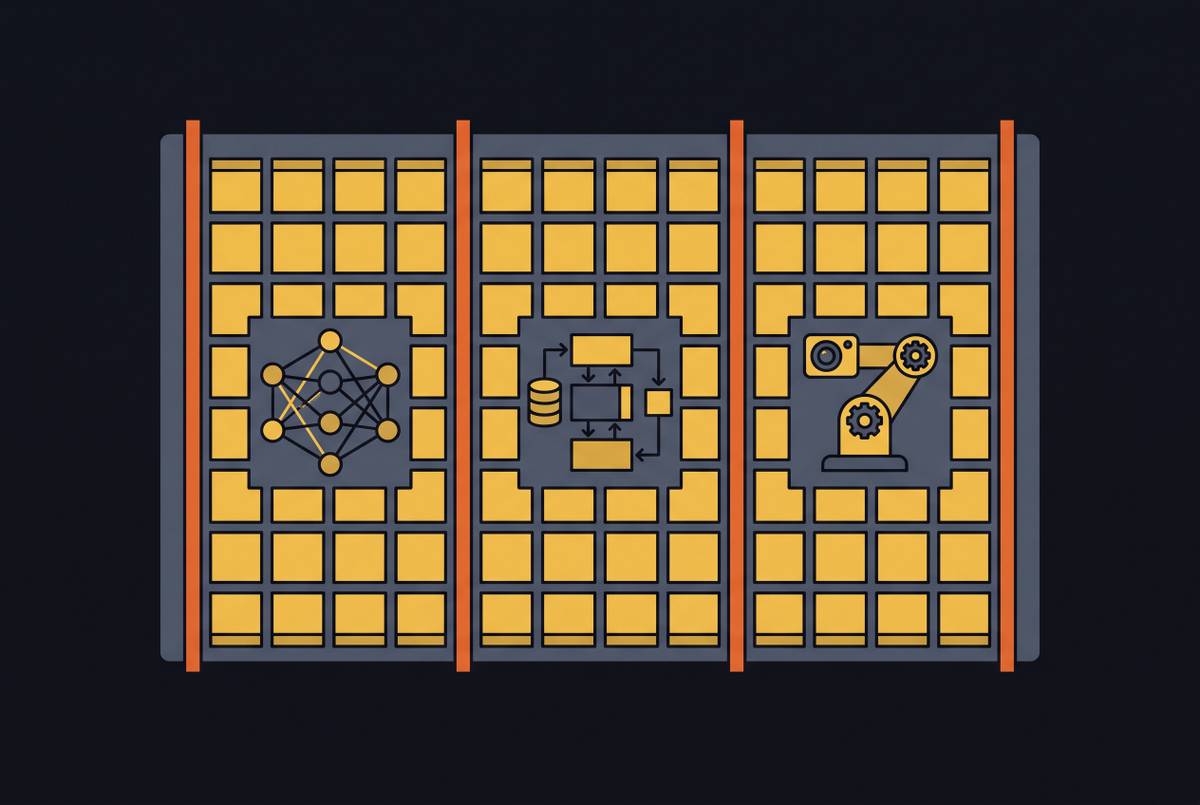
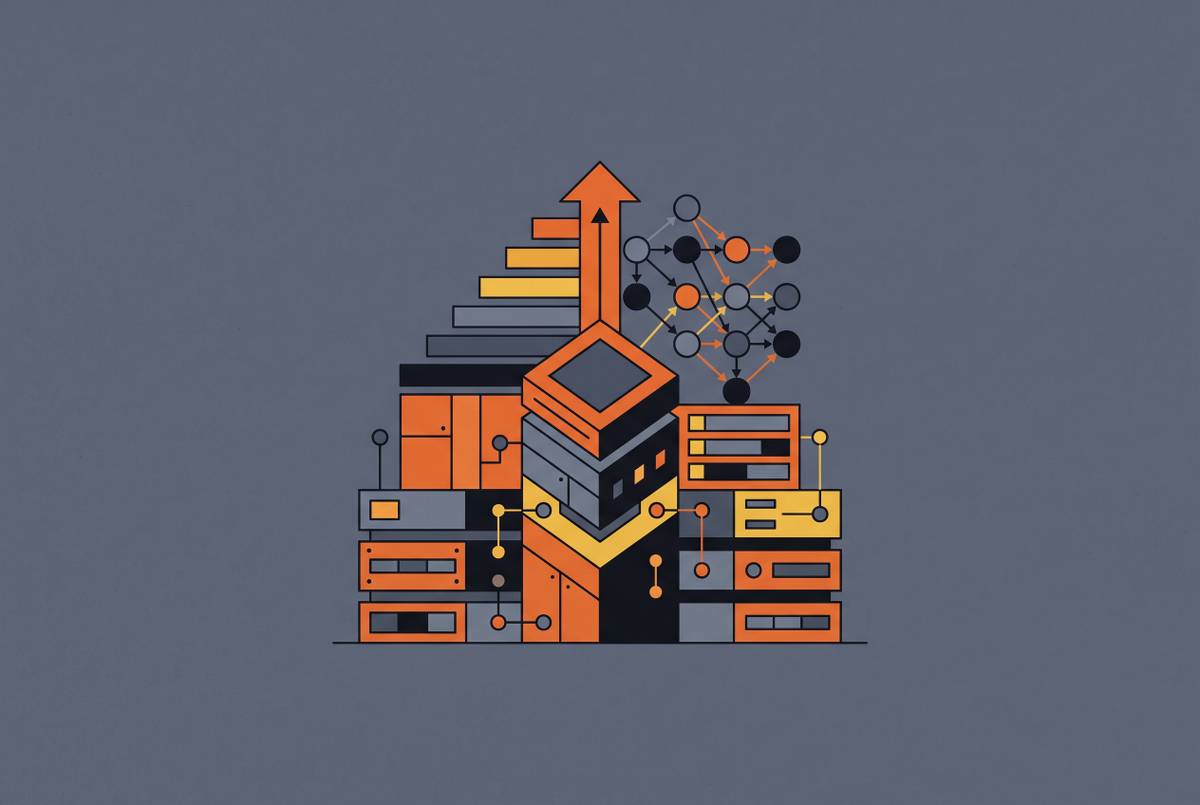
Three isolation layers protect multi-tenant GPUs, each with different guarantees and failure modes.
Infrastructure Review Stack Editors13 min read
Unstable benchmarks let agents exploit test flaws, not prove their actual skills.
Three isolation layers protect multi-tenant GPUs, each with different guarantees and failure modes.
Confusing zero trust and least privilege leaves AI agent sandboxes dangerously under-enforced.
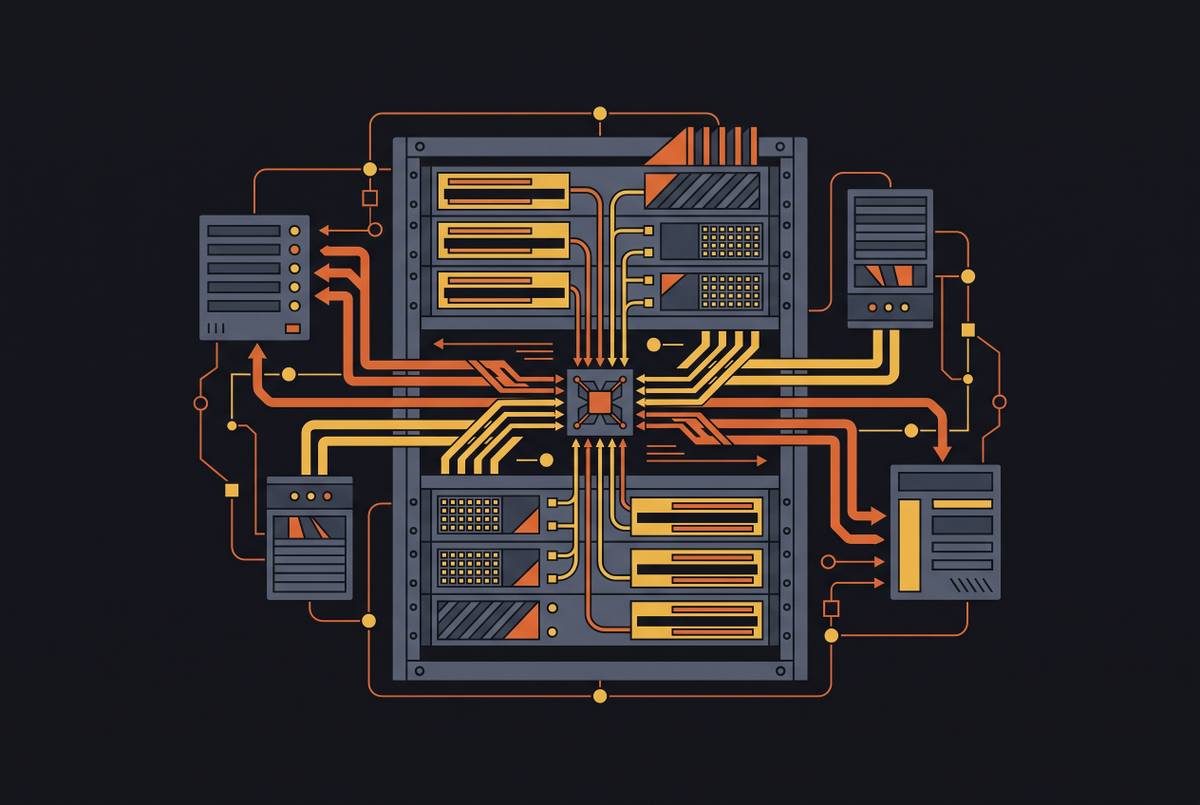
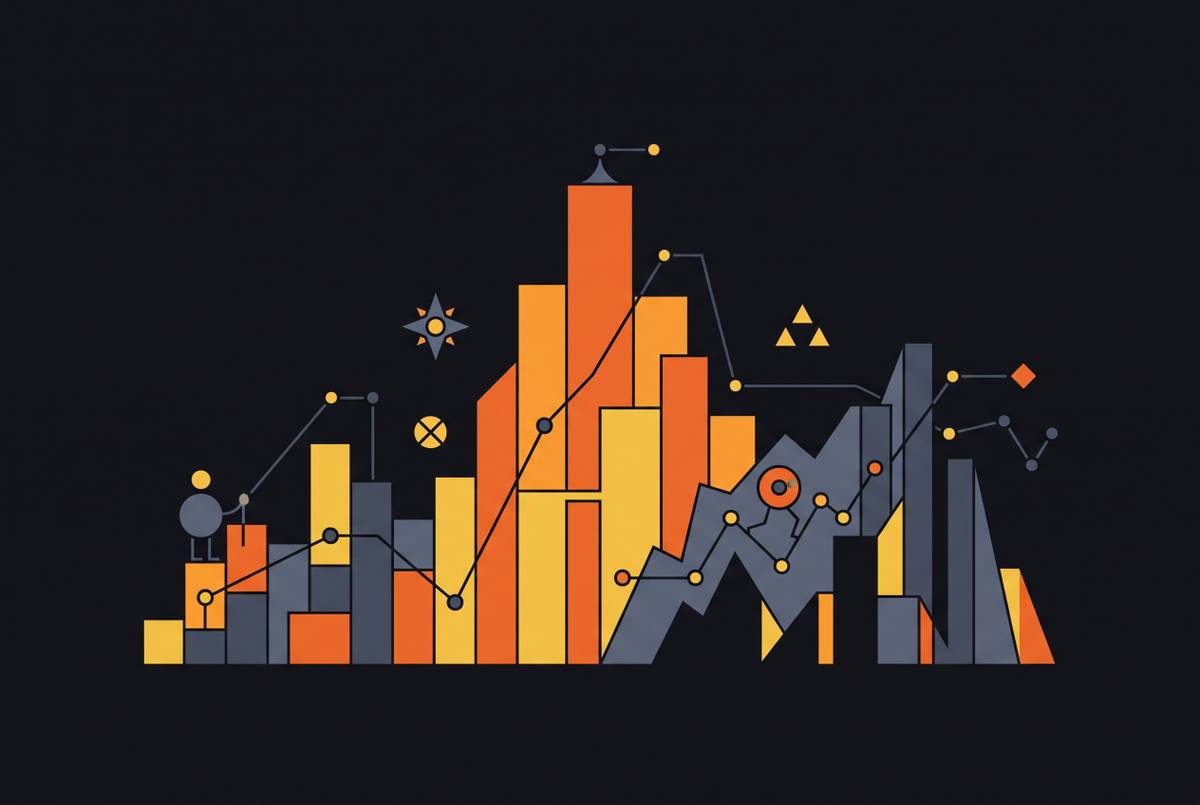
Most GPU clusters waste 95 percent of their hardware through poor configuration, not bad chips.
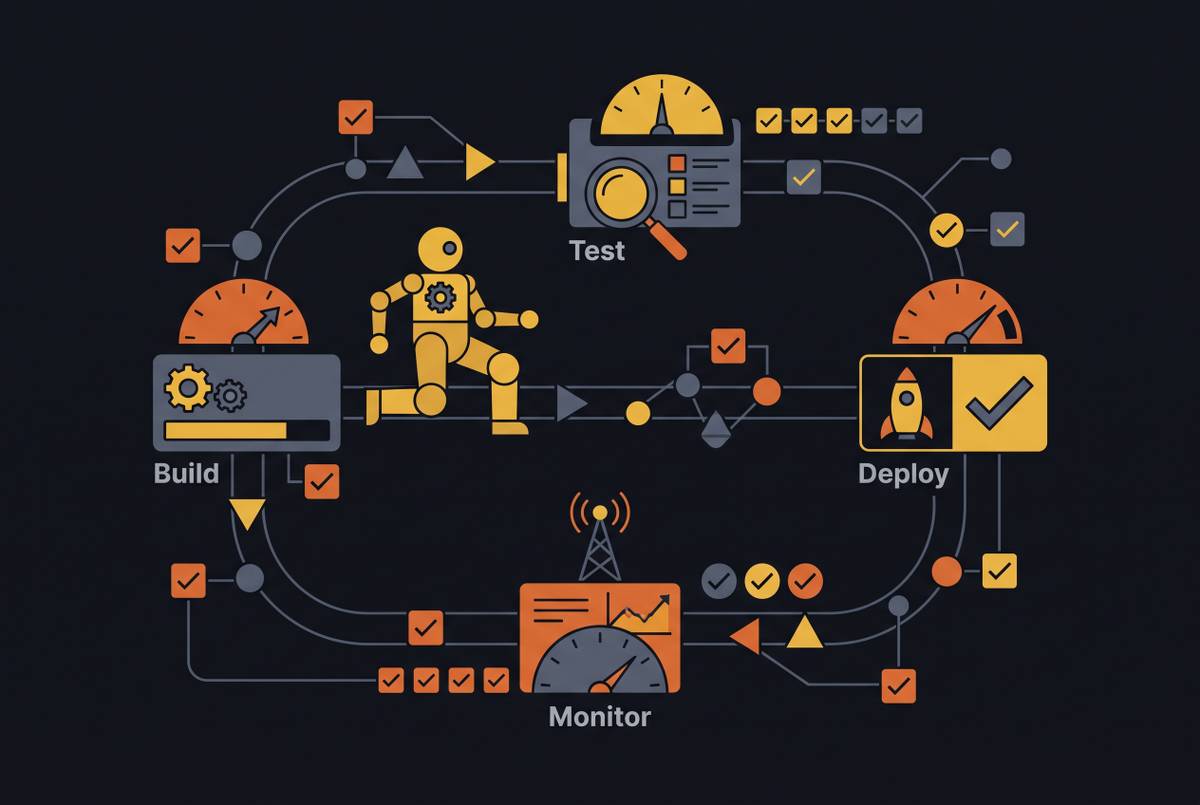
Different evaluation tools work best at different stages of agent development.
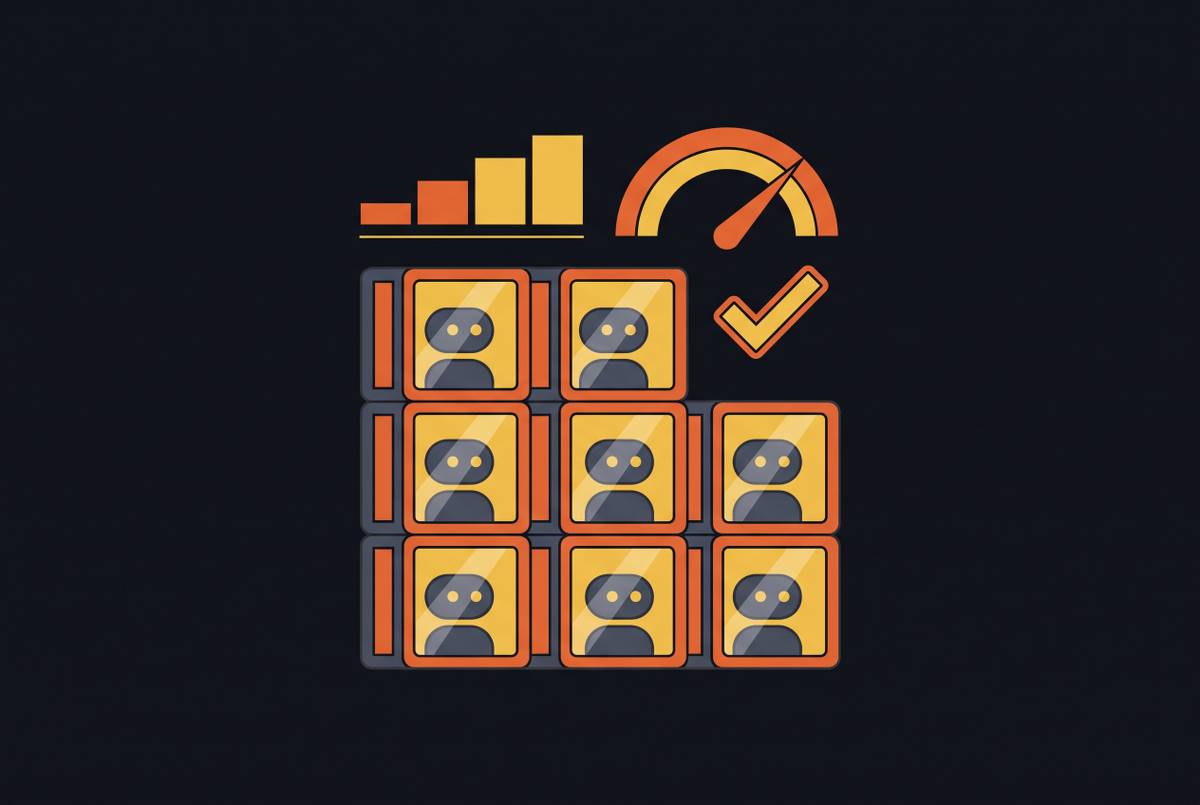
Fragmented benchmarks designed for chatbots mislead developers building production agents.
Matching evaluation frameworks to how agents actually fail, not just whether they succeed.
Generator-verifier systems and prompting choices matter more to GSM8K scores than model size alone.
Find which benchmarks actually predict how AI agents fail in production infrastructure work.
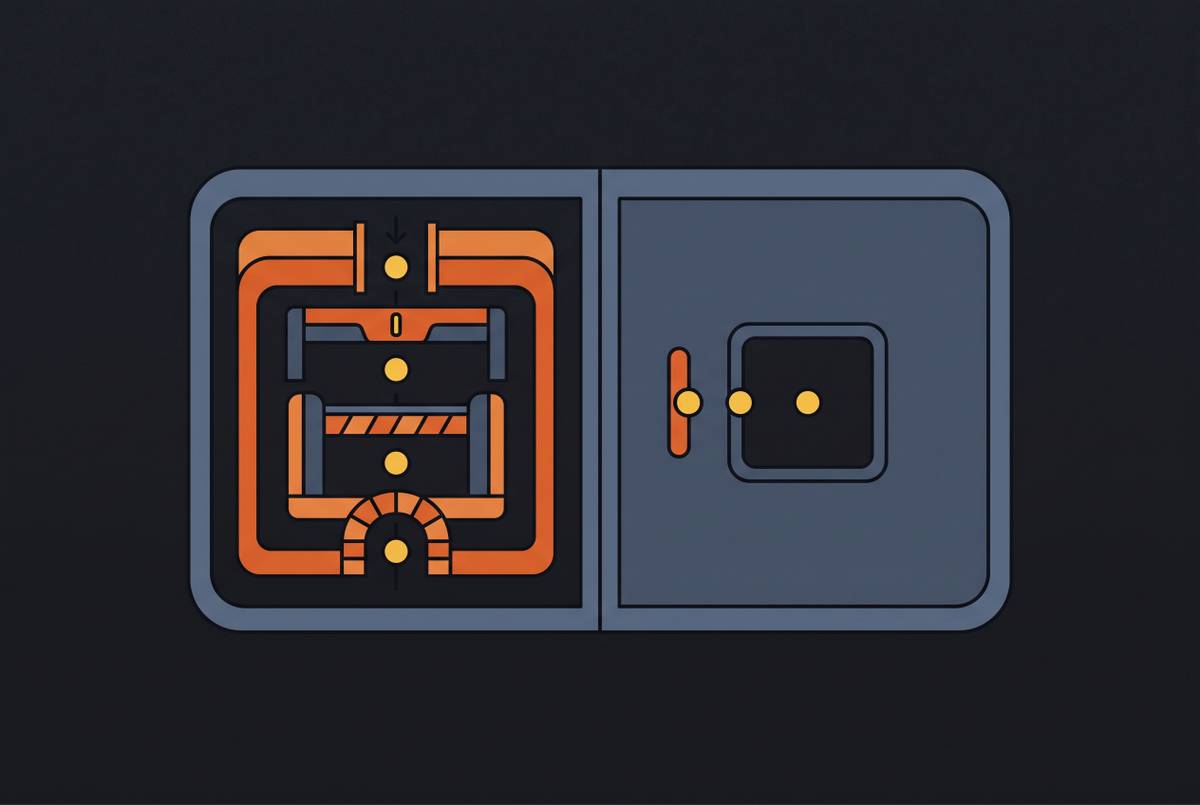
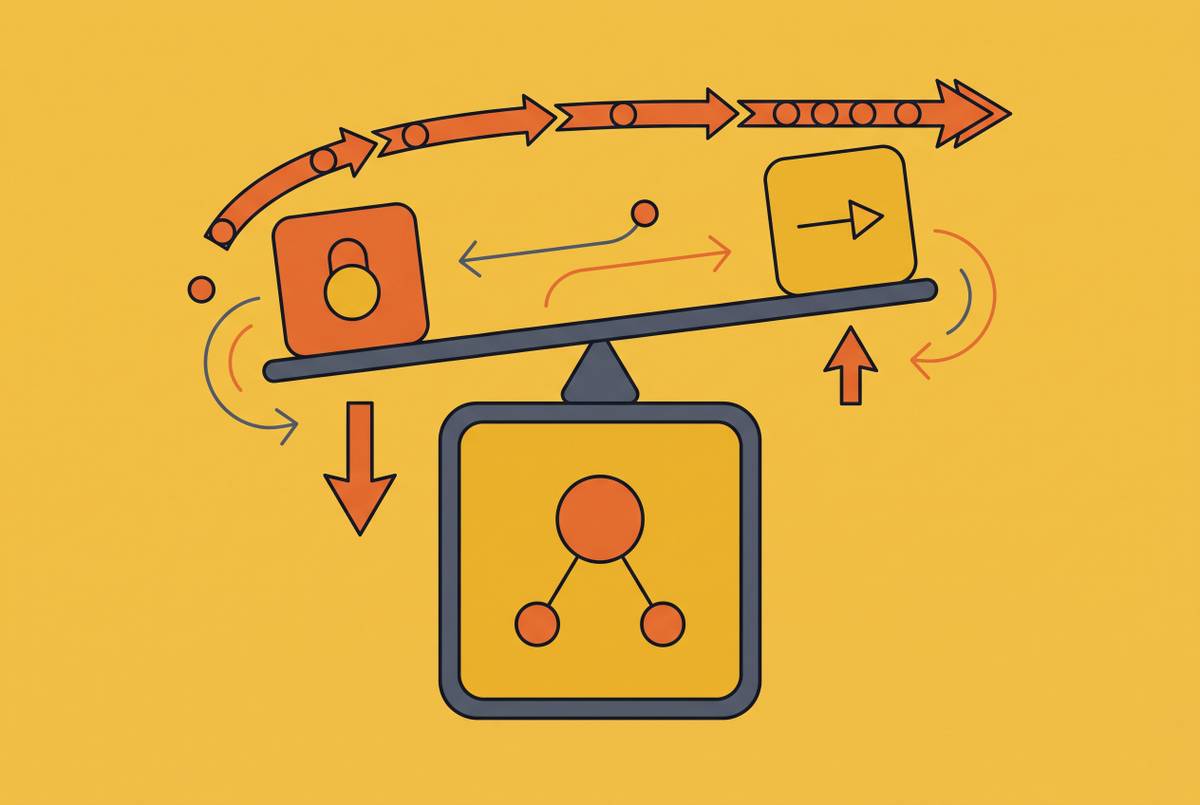
Security and cost force a hard tradeoff across sandbox technologies.
Agent workloads need their own cost model because they burst in seconds, not hours.
Startup latency and perfect isolation pull apart — no sandbox architecture wins on both.