Running AI-Generated Code Safely
Least-Privilege OS Users for AI Code Execution
Running AI agents under dedicated low-privilege OS users prevents unauthorized access.
Infrastructure Review Stack Editors11 min read
Hybrid LLM-static analysis systems outperform rule-based scanners on vulnerability detection.
Running AI agents under dedicated low-privilege OS users prevents unauthorized access.
AI-generated code contains nearly three times more vulnerabilities than human-written code.
Market projections vary wildly because vendors disagree on what RASP actually includes.
Trusted repositories can be silently compromised through tag hijacking and account takeovers.
Legacy security tools can't see attacks that happen inside the model's inference process.
Agents are distributed systems with failures distinct from prompt engineering concerns.
How to measure what matters when your AI agent is making decisions without human oversight.
Distinguish between metrics that look good and ones that prove agents work reliably at scale.
Real agents sustain feedback loops; most deployments are just automated workflows.
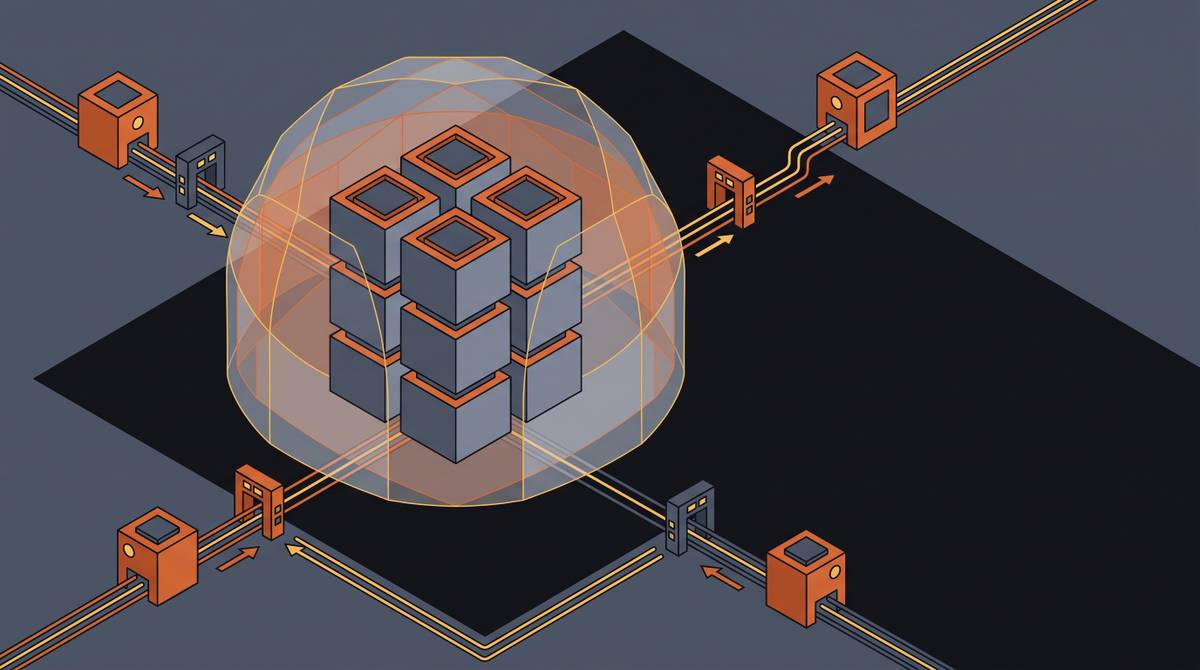
Four criteria determine whether a sandbox can safely run AI-generated code in production.
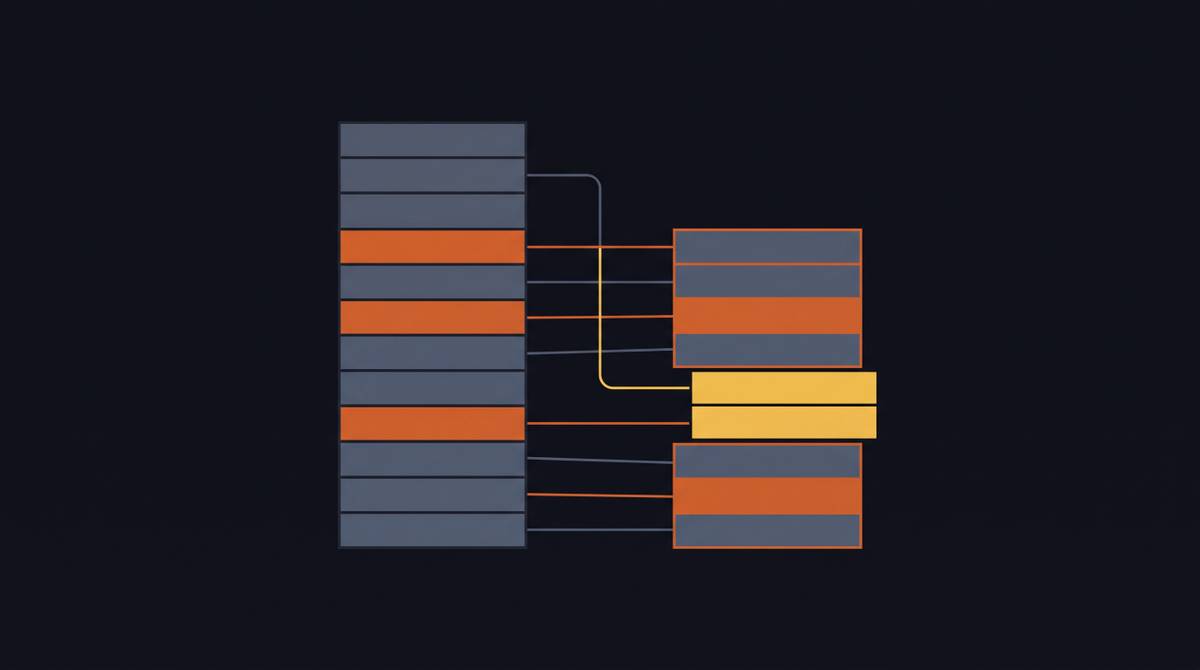
Linux defers memory copying until processes actually write, enabling instant VM clones.