AI Agent Infrastructure and Runtime Environments
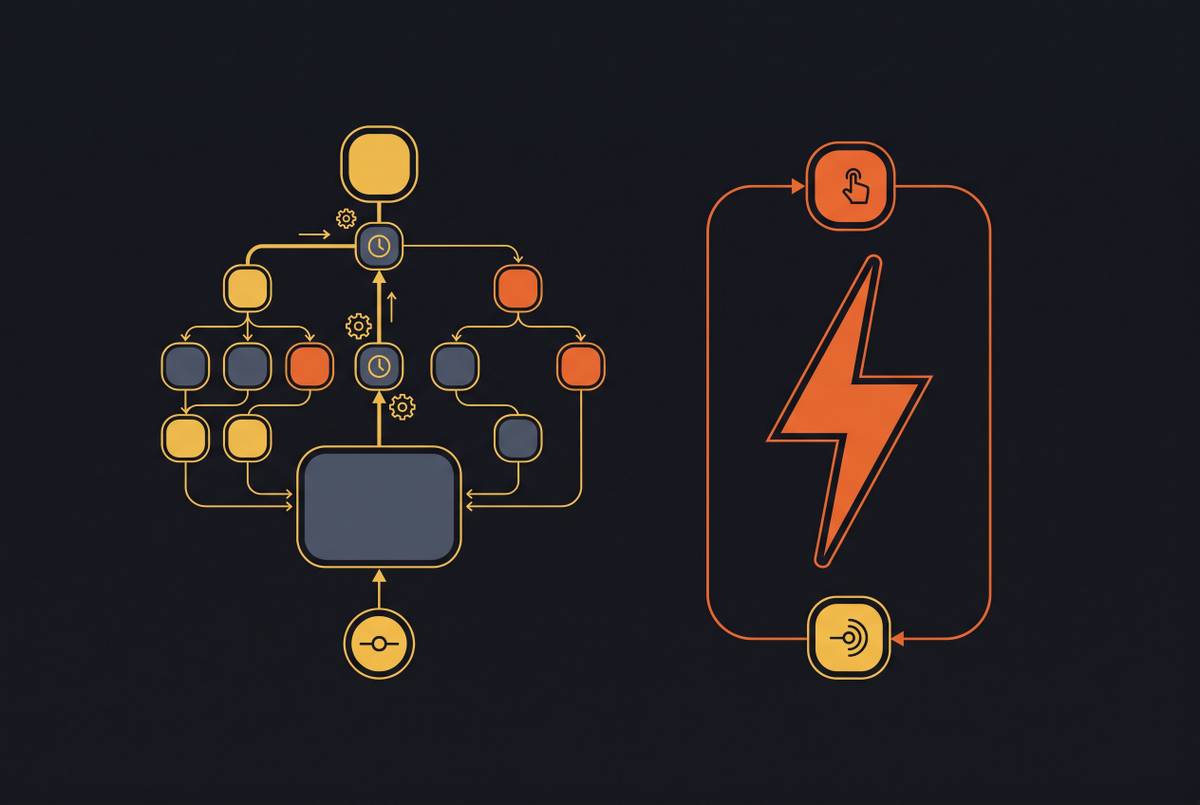
How Deliberative and Reactive Agents Differ at Runtime
Reactive agents act instantly; deliberative agents plan first.
Infrastructure Review Stack Editors8 min read
Pick the right sandbox lifecycle for each pipeline stage, not the entire agent workflow.
Reactive agents act instantly; deliberative agents plan first.
Agents move regulated data through prompts, logs, and delegation—not just storage.
Read-only mounts and tmpfs volumes prevent agents from persisting malicious code changes.
Techniques to preserve agent state across sandbox evictions and restarts.
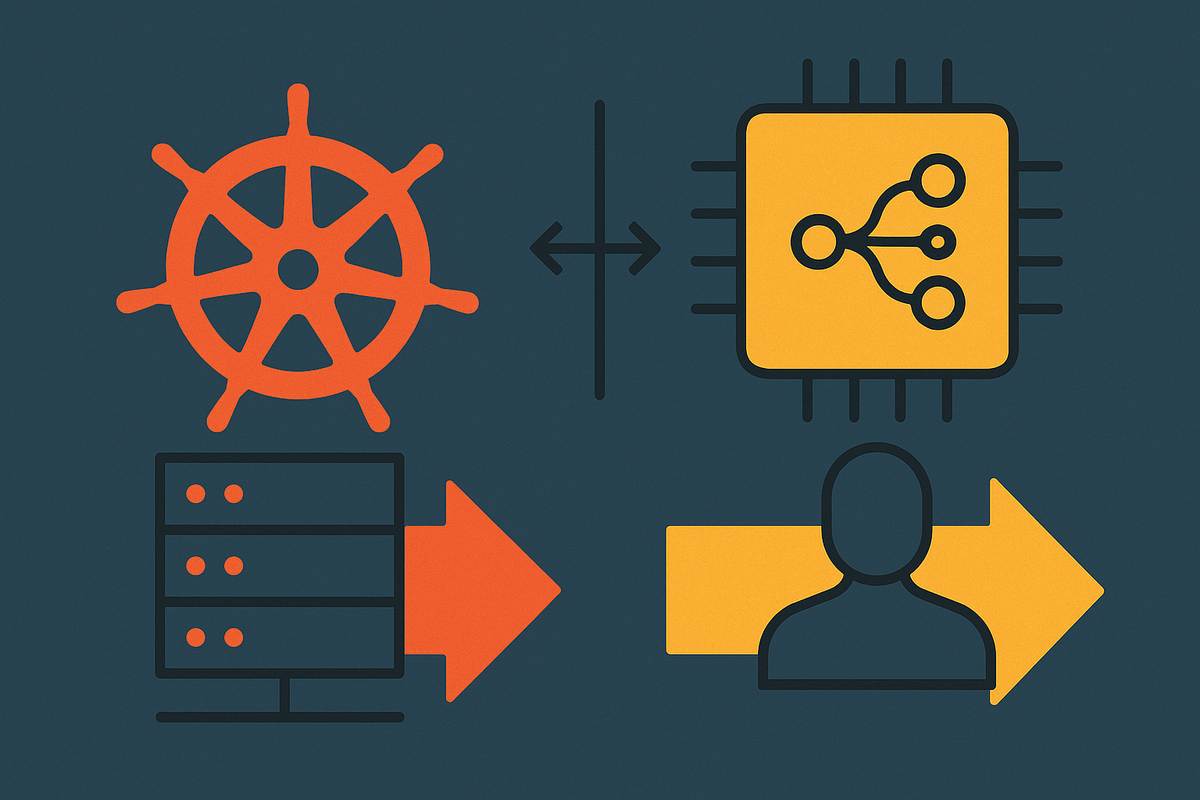
Kubernetes excels at distributed model serving but struggles with stateful agent workloads.
Distributed agent evaluation requires dynamic scheduling, not fixed batch allocation.
Distributed agents need sub-minute scaling, session awareness, and careful memory management.
The toolkit bridges NVIDIA drivers on the host with CUDA libraries containerized inside.
A new approach captures only filesystem and process changes between agent steps.
Cgroups v2's unified hierarchy makes resource limits on sandboxed processes actually enforceable.
Kernel-enforced syscall filtering prevents processes from accessing system calls they don't need.